
Why is Stucco Failing in Pennsylvania?
If you live in Chester County, Delaware County, or the surrounding Philadelphia suburbs, you’ve likely seen the “Stucco Remediation” signs on front lawns or heard neighbors discussing the “stucco crisis.”
In Pennsylvania, stucco failure has become an epidemic, affecting thousands of homes built between the late 1990s and mid-2000s.
At DreamAway Exteriors, we believe that education is the first step in protecting your home. This guide explains why Pennsylvania is the “epicenter” of this issue, how to spot the warning signs, and what the remediation process actually entails.
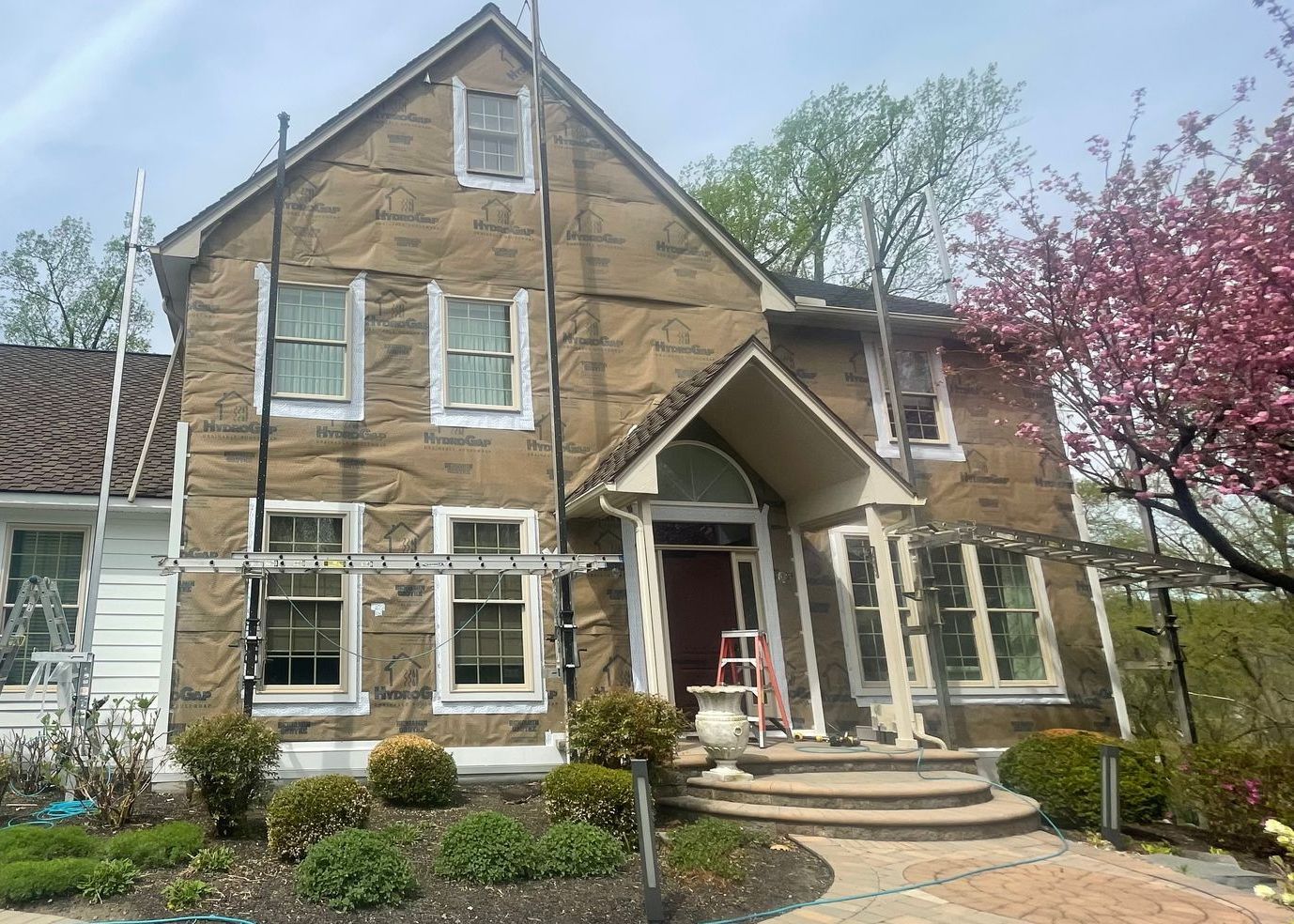
Stucco is a beautiful, traditional material that has been used successfully for centuries in Mediterranean climates. However, in Pennsylvania, two factors have created a "perfect storm" for failure:
- Improper Installation: During the suburban building boom of the early 2000s, many homes were built quickly. Critical components—such as flashing (metal pieces that divert water away from windows and doors) and drainage planes (the gap that allows water to escape from behind the wall)—were often omitted or installed incorrectly.
- The PA Climate: Unlike the dry Southwest, Pennsylvania experiences high humidity and a brutal freeze-thaw cycle. When water gets trapped behind improperly installed stucco, it has nowhere to go. In winter, that water freezes and expands, cracking the stucco and pushing it away from the house. In summer, the trapped moisture turns the wall cavity into a "greenhouse" for mold and rot.
Repair vs. Remediation: Knowing the Difference
One of the most common mistakes homeowners make is choosing a "repair" when they actually need "remediation."
- Stucco Repair: This is a surface-level fix. It involves patching cracks or applying a fresh coat of paint. While it makes the home look better, it does not address moisture trapped behind the walls.
- Stucco Remediation: This is a full-scale forensic fix. It involves stripping the stucco down to the wood studs, replacing rotted sheathing, fixing the underlying drainage issues, and installing a new, code-compliant exterior.
Warning: Patching a wall that has internal moisture is like putting a Band-Aid over an infection. It hides the problem while the structural wood continues to rot underneath.
The Warning Signs of Stucco Failure
Sometimes the damage is invisible, but there are often "telltale" signs that water is winning the battle:
- "Stucco Tears": Dark streaks or brown staining appearing under the corners of windows or where the roof meets the wall.
- Cracking or Fragmentation: Small hairline cracks are common, but a "spiderweb" network of cracks usually indicates the stucco is pulling away from the house.
- Musty Odors: A faint smell of mold or dampness inside the home, especially near exterior walls.
- Interior Damage: Peeling paint around window sills, warped baseboards, or drywall staining.
- Missing Kick-Out Flashing: If your roofline meets a stucco wall and there isn't a metal piece "kicking" the water into the gutter, water is likely pouring directly into your wall.
The Stucco Remediation Process
If an inspection confirms you have moisture damage, the remediation process follows several critical steps to ensure your home is protected for the next 50 years.
Step 1: The Forensic Strip-Down
The old stucco is completely removed. This is often the most stressful part for homeowners, as it reveals the true extent of the damage. You may see black mold or "punky" wood that crumbles to the touch.
Step 2: Addressing Structural Rot
Any rotted plywood sheathing, insulation, or structural studs must be replaced. This ensures the "bones" of your house are solid before the new exterior is applied.
Step 3: Flashing and Window Integration
Poor window flashing is the #1 cause of stucco failure. During remediation, windows are often removed or re-flashed using modern tapes and metal pans to ensure that any water that hits the glass is safely diverted outside.
Step 4: The Drainage Plane
A modern "rainscreen" or a double-layered weather-resistant barrier is installed. This creates a small gap (the drainage plane) between the house and the siding. If water ever gets past the exterior again, it can simply drain down and out the bottom of the wall.
Step 5: The New Exterior
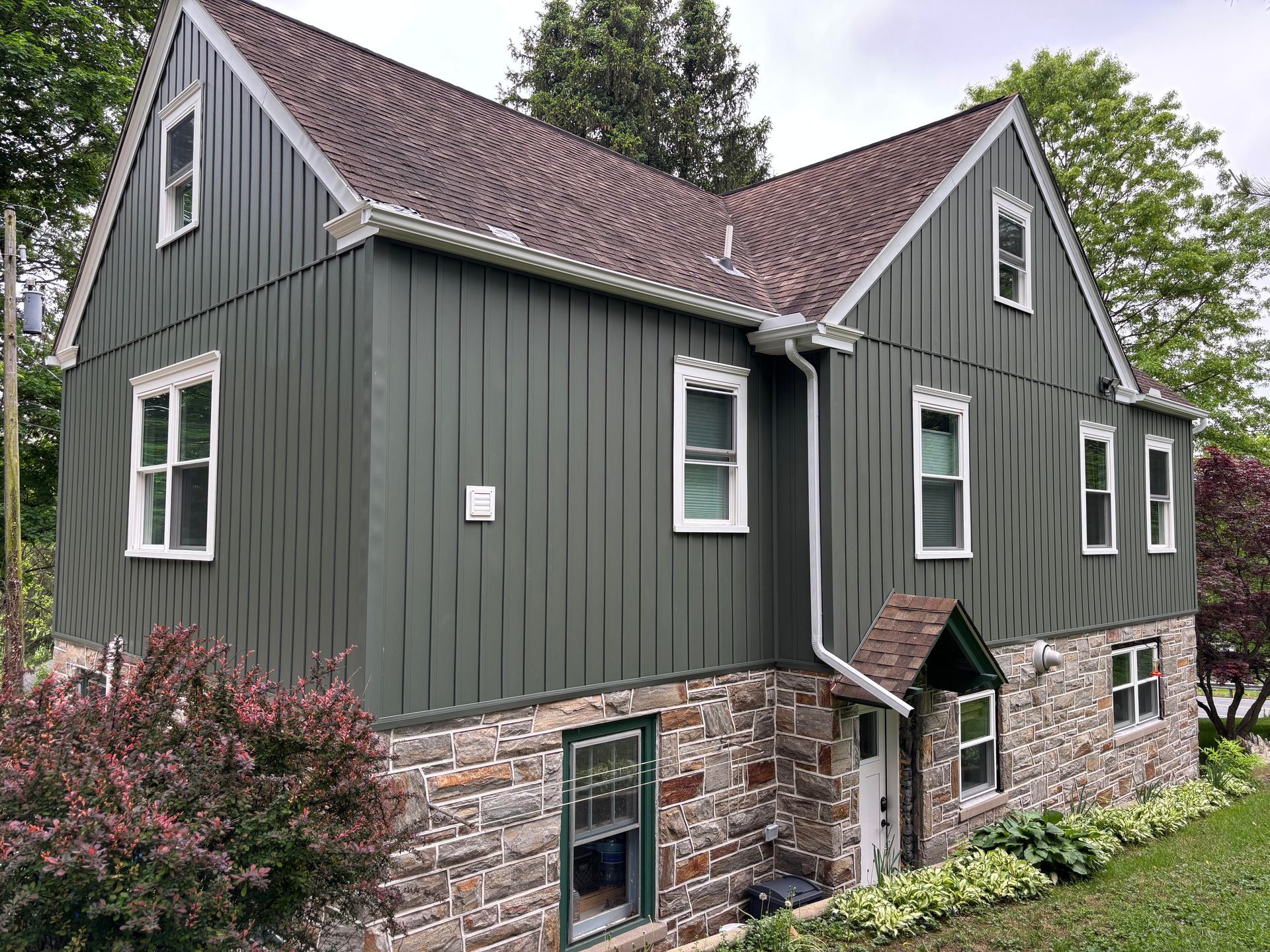
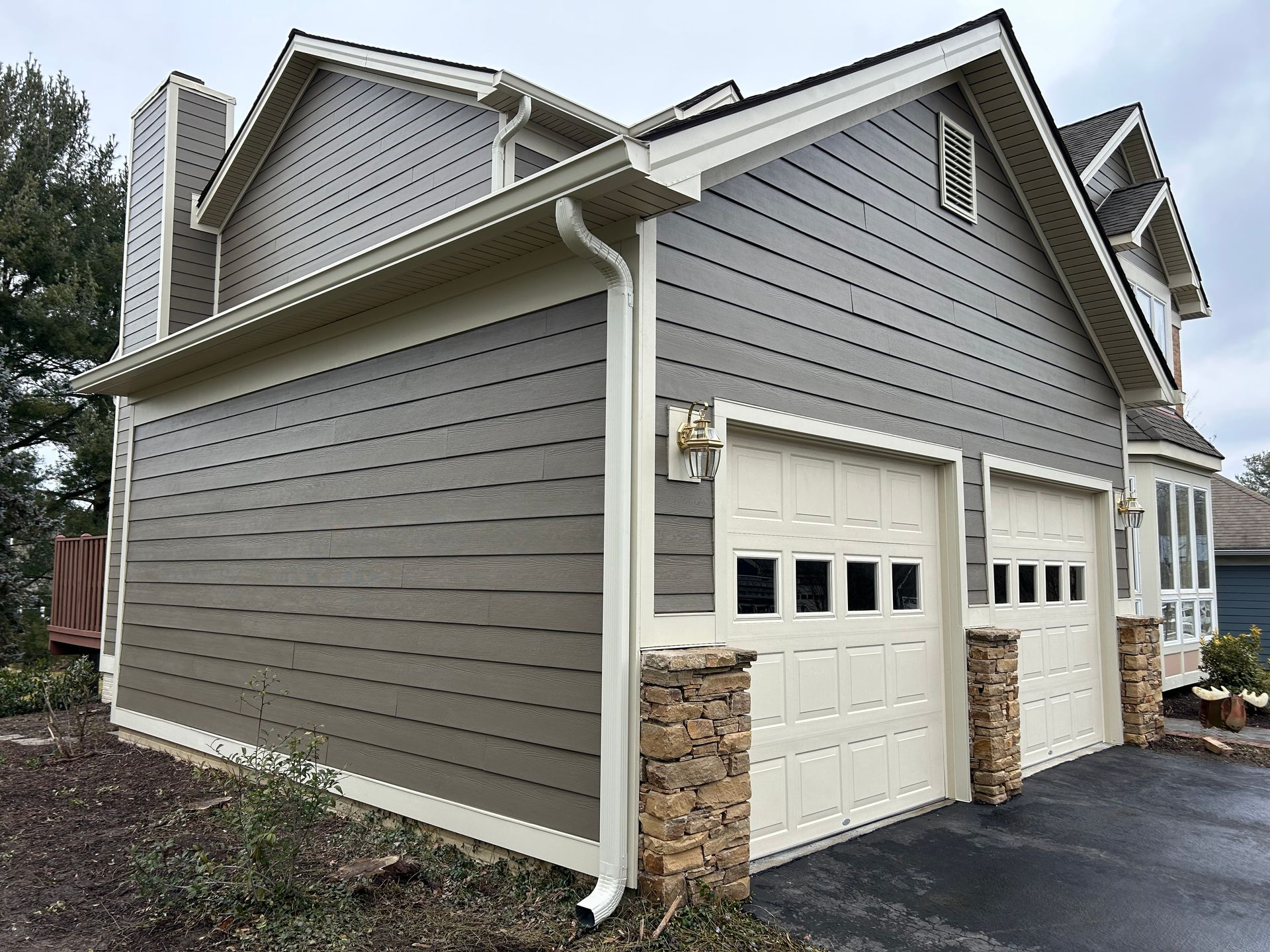
Once the house is "watertight," you can choose your new look. While some homeowners choose to reinstall traditional stucco (properly this time!), many Pennsylvanians opt for James Hardie Fiber Cement or another modern siding option to eliminate the risk of future stucco issues.
What Does it Cost?
There is no sugar-coating it: stucco remediation is a major investment. In Chester County, remediation projects typically range from $30,000 to over $100,000, depending on the size of the home and the amount of structural rot discovered.
However, the cost of not acting is higher. Unaddressed stucco failure can lead to:
- Total structural failure of the home.
- Uninhabitable living conditions due to toxic mold.
- An unsellable home (most modern buyers insist on a stucco moisture test).
Protect Your Investment with DreamAway Exteriors
At DreamAway Exteriors, we have helped dozens of Chester County families navigate the stress of stucco failure. We don't just "cover up" problems; we solve them. From the initial moisture test to the final piece of trim, we provide a transparent, expert-led process that restores your peace of mind.
Think your home might have a stucco issue? Don't wait for the next heavy rain. Contact us today for a professional consultation and let’s make sure your home is dry, safe, and beautiful.