Deciding whether to give your current deck a makeover or tear it down and start fresh is a big decision for any homeowner. At DreamAway Exteriors, we know your deck is more than just some wood and screws—it’s where you host summer barbecues, drink your morning coffee, and enjoy the outdoors. If your deck is looking a little tired, you might be wondering if a "facelift" is enough or if it’s time for a total replacement.
This guide will help you navigate the "resurface vs. rebuild" debate and explore the differences between elevated and ground-level designs to help you create your perfect outdoor retreat.
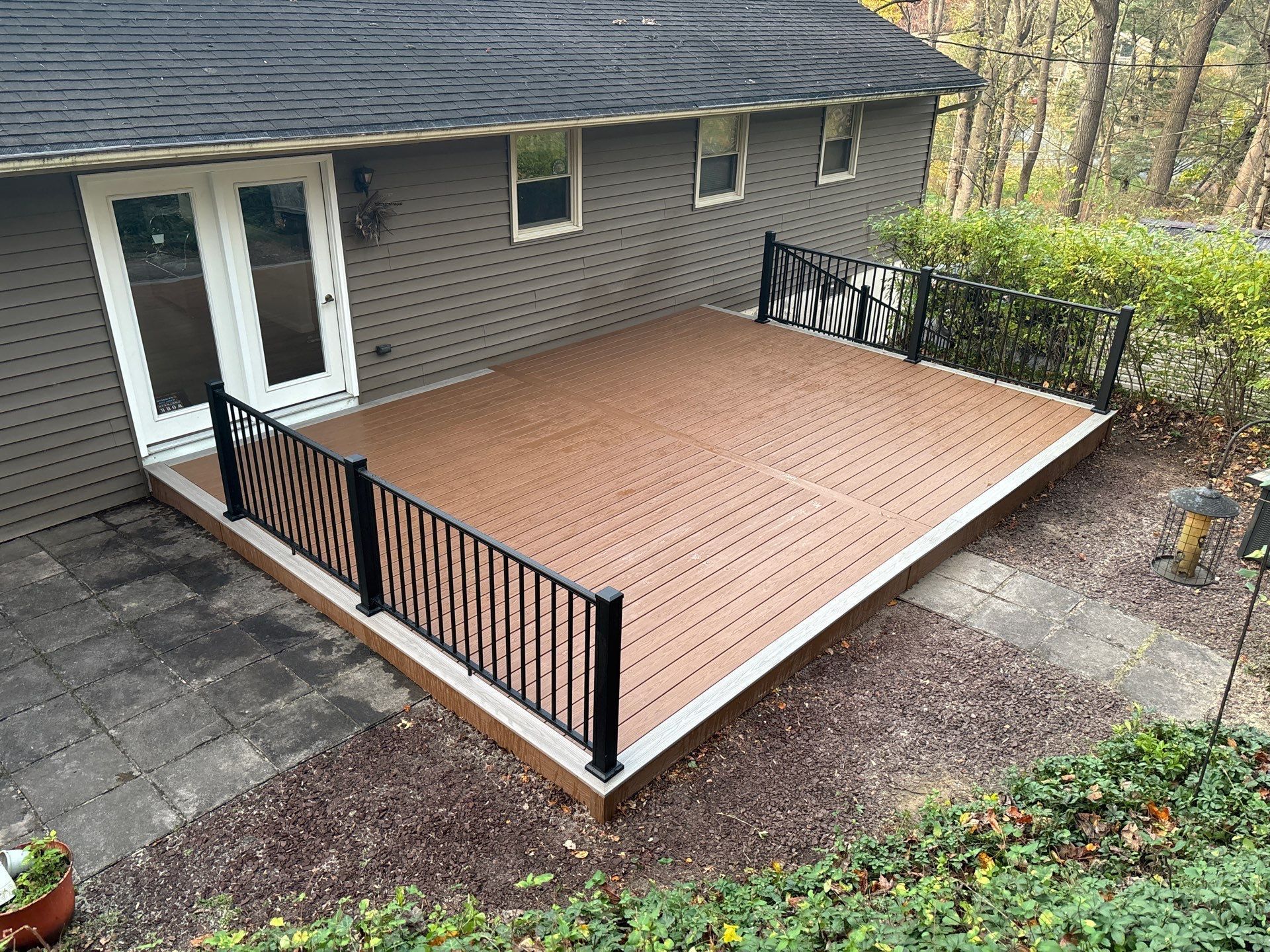
Should you resurface or start from scratch?
The first question every homeowner asks is: "Can I save money by just replacing the boards?" Resurfacing (often called "re-decking") involves removing the old surface boards and railings and installing new ones—usually long-lasting composite—onto the existing wooden frame.
When to Resurface: Resurfacing is a great option if your deck’s "bones" (the joists, beams, and posts) are in excellent shape. If the frame is structurally sound, level, and free of rot, you can save a significant amount on labor and material costs by simply upgrading the surface. It’s a faster process that gives you the look of a brand-new deck without the price tag of a full build.
When to Start Over: If the frame is more than 15 years old, showing signs of soft wood, or if the original builder didn't follow modern safety codes, starting from scratch is the only way to go. You don't want to put beautiful, expensive new boards on a foundation that will fail in five years. Additionally, starting from scratch allows you to change the size, shape, or location of your deck—something resurfacing can't do.
How do you know if your deck frame is rotting?
Before you decide to resurface, you need to play detective. Grab a screwdriver and head under your deck. You want to check the "ledger board" (where the deck attaches to the house) and the base of the posts. Poke the wood firmly; if the screwdriver sinks in easily or the wood feels spongy, you have rot.
Check for rusted hardware or "hangers" that are pulling away from the wood. If the frame feels bouncy when you walk on it, or if you see large cracks in the main beams, these are signs that the structure is tired. At DreamAway Exteriors, we always perform a thorough "safety first" inspection. We won't resurface a deck that we wouldn't let our own families sit on. If the foundation is shaky, starting over is the safest and most cost-effective long-term move.
Is composite better than wood for resurfacing?
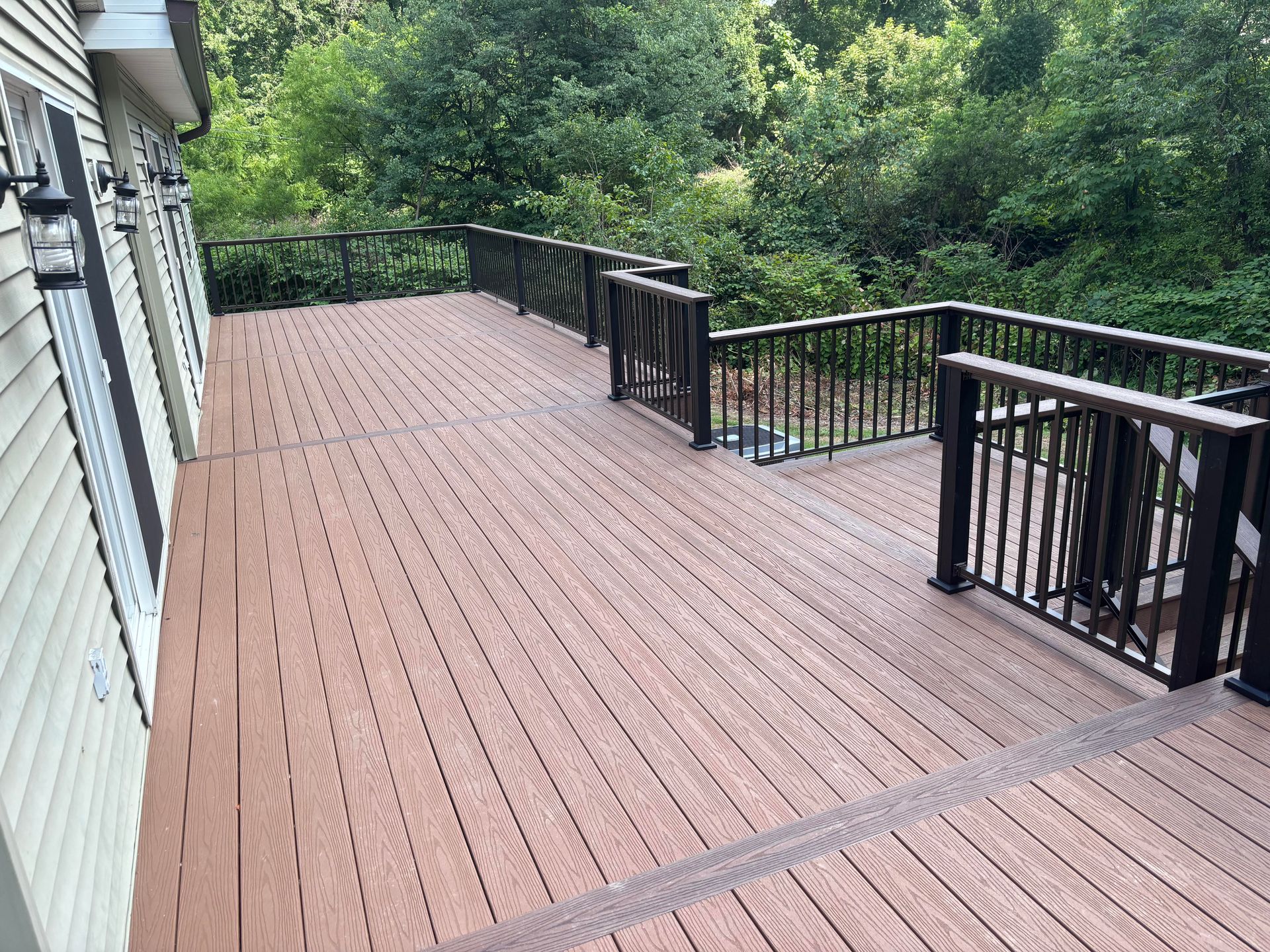
If you decide to resurface, the material you choose makes all the difference. While pressure-treated wood is the traditional choice, many homeowners are switching to composite materials like Trex or TimberTech.
Composite is perfect for resurfacing because it eliminates the need for sanding, staining, and sealing every two years. It won't splinter, so it’s safe for bare feet and paws. While the initial cost of composite is higher than wood, the "cost per year" is actually lower because it lasts 25 to 30 years with almost zero maintenance. If you plan on staying in your home for a long time, upgrading to composite during a resurface is one of the best investments you can make.
What should you consider before making your final choice?
Think about how you use your yard. Are you looking for a private spot to sunbathe? A ground-level deck tucked behind some shrubs might be perfect. Do you love to grill while watching the kids play in the yard? An elevated deck with a clear view might be better.
Also, consider your future plans. If you think you might want to add a hot tub or a heavy outdoor kitchen later, you need a frame built to handle that weight. It’s much easier to build that strength into a new deck now than to try to reinforce an old one later. Our team can help you weigh these factors to ensure you get a space that fits your lifestyle perfectly.
The Pros and Cons of an Elevated Deck
Elevated decks are common for homes with walk-out basements or multi-story layouts. They offer a grand view and a specific set of benefits.
The Pros:
- The View: Being higher up provides a better vantage point of your yard and the surrounding scenery.
- Bonus Space: The area underneath an elevated deck can be used as a shaded patio, a dry storage area for lawn equipment, or even a screened-in porch if you install an under-deck drainage system.
- Airflow: Being raised off the ground allows for excellent ventilation, which can help keep the deck boards cooler and reduce moisture buildup.
The Cons:
- Higher Cost: Elevated decks require more structural support, stairs, and mandatory railings, which increases the total price.
- Maintenance: Cleaning the underside of the deck and maintaining the high support posts can be more difficult.
- Permit Requirements: Most local codes are much stricter for elevated structures due to safety and weight-bearing concerns.
The Pros and Cons of a Ground-Level Deck
A ground-level deck (or platform deck) sits just inches off the grass or a gravel base. It’s a popular choice for ranch-style homes or for creating "islands" in the middle of a backyard.
The Pros:
- Budget-Friendly: Because they don't usually require stairs or railings (if they are below a certain height), they are much more affordable to build.
- Seamless Flow: They create a smooth transition from your back door to the lawn, making your yard feel like one large, connected space.
- Privacy: Being lower to the ground often means you are shielded by your existing fence or landscaping, keeping you away from the prying eyes of neighbors.
The Cons:
- Moisture Issues: Because they are close to the soil, ground-level decks are more prone to rot and mold if they don't have proper ventilation and a weed barrier underneath.
- No "Under-Deck" Storage: You lose that extra covered space that an elevated deck provides.
- Pest Potential: Small animals love to find homes under low-profile decks if the perimeter isn't properly screened.
Ready to transform your outdoor living space?
Whether you need a simple resurface to bring back that "new deck" shine or a brand-new custom build from the ground up, DreamAway Exteriors is here to help. We pride ourselves on honest advice and top-tier craftsmanship. We’ll look at your current setup, listen to your ideas, and help you decide the best path forward for your home and your budget.
Don't spend another season on a deck you don't love. Let’s build something together that you’ll enjoy for decades to come.