Understanding the Differences in Siding Types
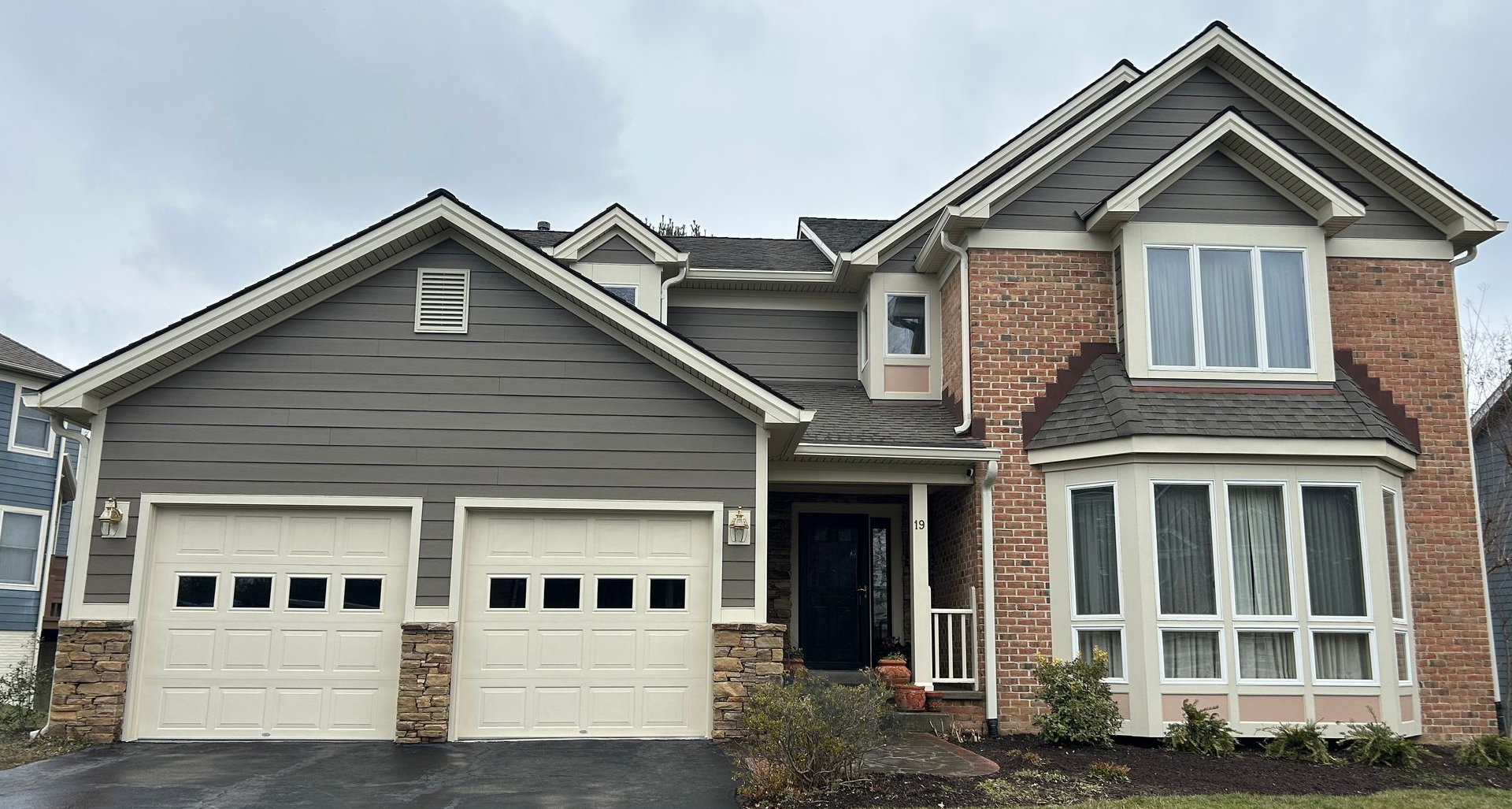
For homeowners in Chester County, your home’s exterior is more than just a style choice—it is a protective shield. From the humid, heavy air of July to the bone-chilling winds and ice of January, the Mid-Atlantic climate is notoriously tough on building materials.
At DreamAway Exteriors, we know that selecting the right siding is one of the most significant investments you will make in your property. A well-chosen siding material boosts curb appeal, slashes energy bills through better insulation, and protects your home’s structural integrity for decades.
In this guide, we’ll dive deep into the pros and cons of the three most popular siding choices in Pennsylvania: Vinyl, Fiber Cement, and Natural Wood.
1. Vinyl Siding: The Modern Standard for Value
Vinyl siding has come a long way since its introduction in the 1960s. Today, it remains the most popular choice for Chester County homeowners due to its versatility and cost-effectiveness.
The Pros of Vinyl
- Affordability: Vinyl is consistently the most budget-friendly option for both materials and labor. If you are looking to refresh your home’s look without breaking the bank, vinyl is the clear winner.
- Low Maintenance: Unlike wood, vinyl never needs to be painted, stained, or caulked to maintain its color. A simple power wash once a year is usually enough to keep it looking brand new.
- Moisture Resistance: Because vinyl is a form of plastic (PVC), it is naturally waterproof. It won’t rot, and it doesn’t attract wood-boring insects like termites or carpenter ants.
- Insulated Options: Many modern vinyl products come with a foam backing, which can significantly improve your home’s R-value (insulation rating), keeping you warmer in the winter and cooler in the summer.
The Cons of Vinyl
- Temperature Sensitivity: In the extreme cold of a Pennsylvania winter, vinyl can become brittle. If hit by a stray rock from a lawnmower or a heavy hailstone, it is more prone to cracking than other materials.
- Aesthetic Limitations: While it can mimic wood grain, a close-up look often reveals its "plastic" nature. It also cannot be repainted; if you want a new color, you have to replace the siding entirely.
- Environmental Impact: PVC is not biodegradable and requires significant energy to produce, which may be a concern for eco-conscious homeowners.
2. Fiber Cement Siding: The "Forever Home" Solution
Fiber cement, most famously manufactured by James Hardie, is a composite material made of cement, sand, and cellulose fibers. It has become the gold standard for high-end renovations in the West Chester and Kennett Square areas.
The Pros of Fiber Cement
- Incredible Durability: Fiber cement is designed to last 50 years or more. It is resistant to fire, rot, wind, and hail. It does not expand and contract as much as vinyl, meaning it holds paint longer and maintains its seal better.
- Authentic Appearance: Fiber cement is much thicker than vinyl, allowing for deep, realistic wood-grain textures. It provides the heavy, "solid" look of a traditional wood home with none of the organic weaknesses.
- Pest Proof: Termites and woodpeckers—common nuisances in our wooded Chester County neighborhoods—find no nutrition in fiber cement and leave it alone.
- Fire Rating: Most fiber cement is non-combustible, which can provide a safety advantage and even lower your homeowner’s insurance premiums.
The Cons of Fiber Cement
- Higher Upfront Investment: The material itself is more expensive than vinyl, and the installation is labor-intensive. Fiber cement is heavy and requires specialized tools and expertise to install correctly.
- Periodic Repainting: While the factory-applied finishes (like James Hardie’s ColorPlus® Technology) last a long time, fiber cement will eventually need to be repainted (usually every 15–20 years).
3. Natural Wood Siding: Timeless Elegance
For the historic farmhouses and luxury estates that define Chester County, nothing compares to the authentic look of real cedar or redwood siding.
The Pros of Wood
- Unmatched Beauty: There is a warmth and "soul" to natural wood that synthetic materials can’t perfectly replicate. It offers a premium, high-end aesthetic that can significantly increase a home’s resale value.
- Customization: Wood can be stained to show off the grain or painted any color in the rainbow. If you want to change your home’s look in five years, you can simply change the paint.
- Eco-Friendly: If sourced from sustainable forests, wood is a renewable and biodegradable resource with a lower carbon footprint than plastic-based alternatives.
The Cons of Wood
- High Maintenance: This is the biggest hurdle. In our humid climate, wood must be sealed, stained, or painted every 3 to 7 years to prevent rot, warping, and sun damage.
- Vulnerability: Wood is susceptible to moisture, mold, termites, and woodpeckers. Without diligent upkeep, the structural integrity of the siding can fail relatively quickly.
- Cost: Between the price of high-quality lumber and the ongoing cost of maintenance, wood is the most expensive long-term siding choice.
Which One is Right for You?
Choosing the right siding depends on your long-term goals, your budget, and the architectural style of your neighborhood.
| Feature | Vinyl Siding | Fiber Cement | Natural Wood |
|---|---|---|---|
| Initial Cost | Low | Moderate - High | High |
| Maintenance | Very Low | Moderate | High |
| Durability | 20-30 Years | 50+ Years | Variable (needs care) |
| Resistance | High (Moisture) | Exceptional (All) | Low (Pests/Rot) |